
Trenches to the Right Depth and Fall
Stormwater and irrigation lines only work if the trench runs at a consistent fall. We dig to a set grade rather than a flat depth, so water actually moves where it is meant to.
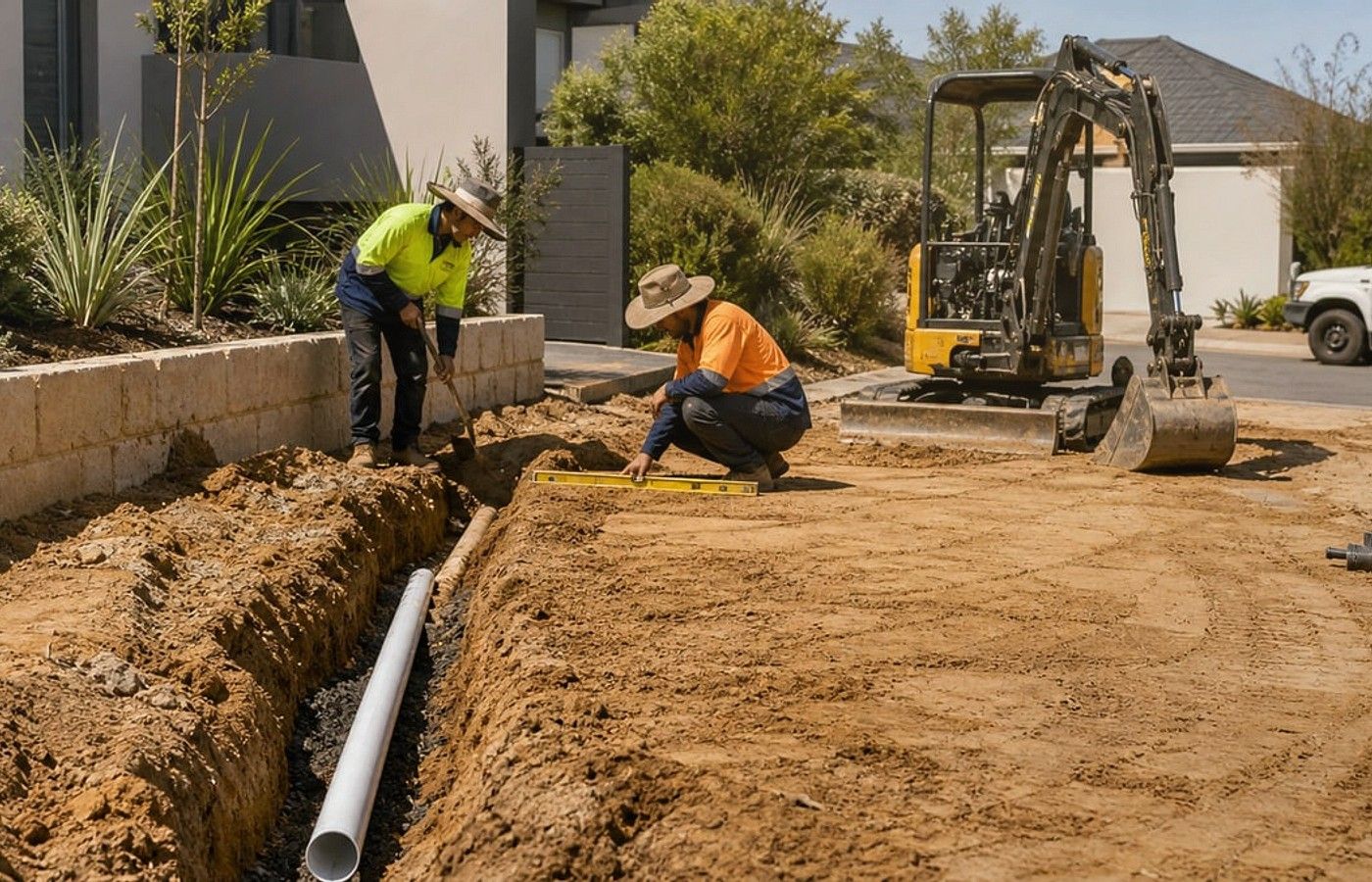
The smaller digs most contractors will not turn up for: trenches, post holes, garden beds and service runs, done properly and backfilled tidily.
Not every job needs a full excavation crew. Sometimes it is a trench for a new irrigation line, footings for a pergola, post holes for a fence, or a garden bed that needs cutting into hard, compacted ground. These jobs are small enough to be awkward - too much for a shovel and a Saturday, too little for a large machine - and they are exactly the ones we are set up for.
Perth Pavers digs with mini excavators, augers and hand tools depending on access and what is underground. In Perth's sandy soils, trench walls slump and post holes widen as you dig, so we size and support holes properly rather than just making them deeper, and we compact backfill in layers so the ground does not sink six months later.
Get a Free Quote
For Digging and related paving inquiries in Perth and nearby suburbs.
Small digs still need the right approach - the wrong depth or a poorly backfilled trench causes problems long after the job looks finished.
Stormwater and irrigation lines only work if the trench runs at a consistent fall. We dig to a set grade rather than a flat depth, so water actually moves where it is meant to.
Augered holes sized to the post and the load, dug to a depth that suits Perth's sandy profile so fences, pergolas and posts stay plumb instead of leaning after the first storm season.
Where power, water or irrigation lines are known to run, we hand dig the last stretch rather than pushing a machine through and finding the line the expensive way.
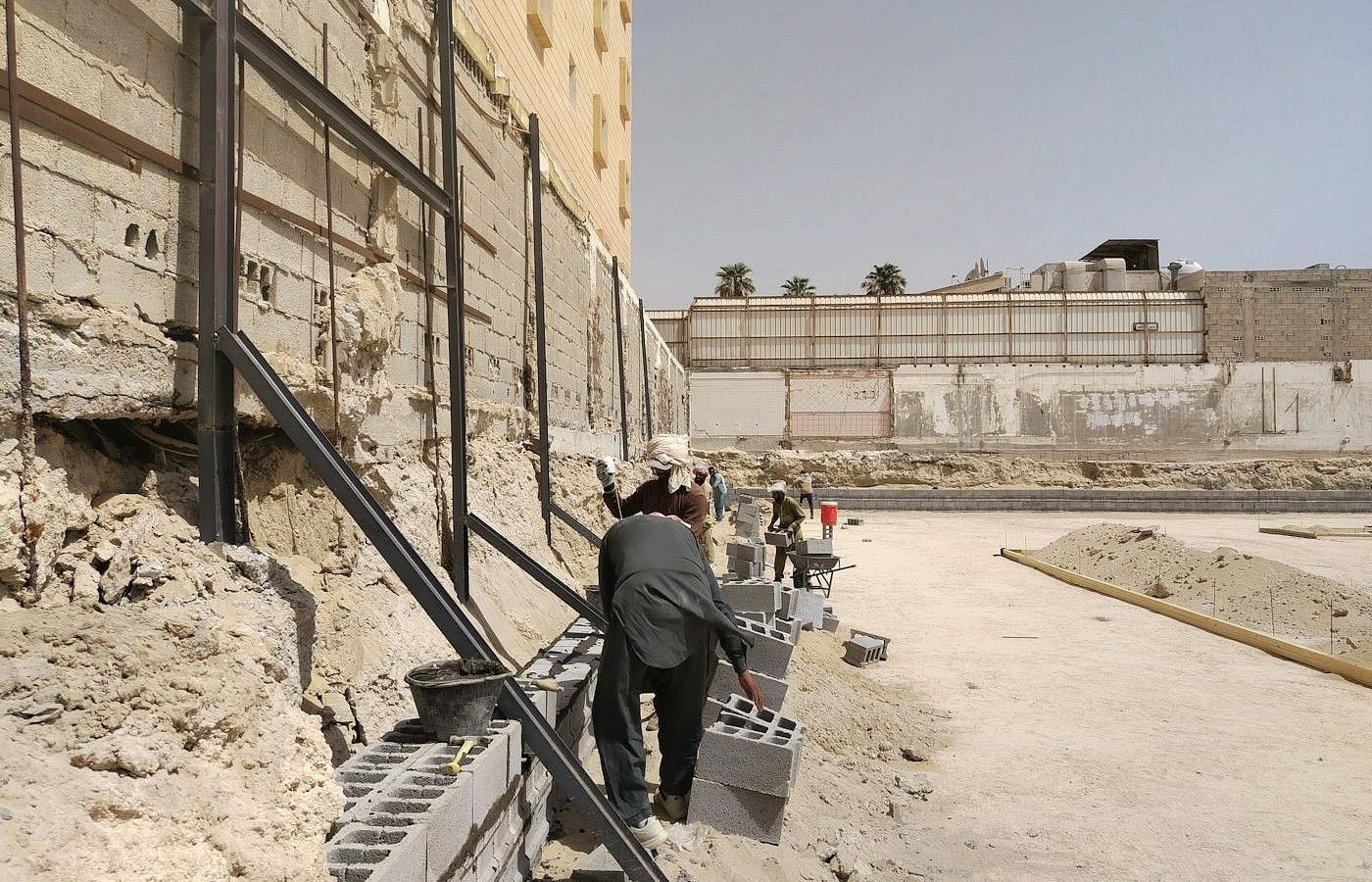
We take on the small digs as genuine work rather than a favour squeezed between bigger jobs, which means they get quoted, scheduled and finished properly.
Even a short trench runs through the same basic checks before anything comes out of the ground.
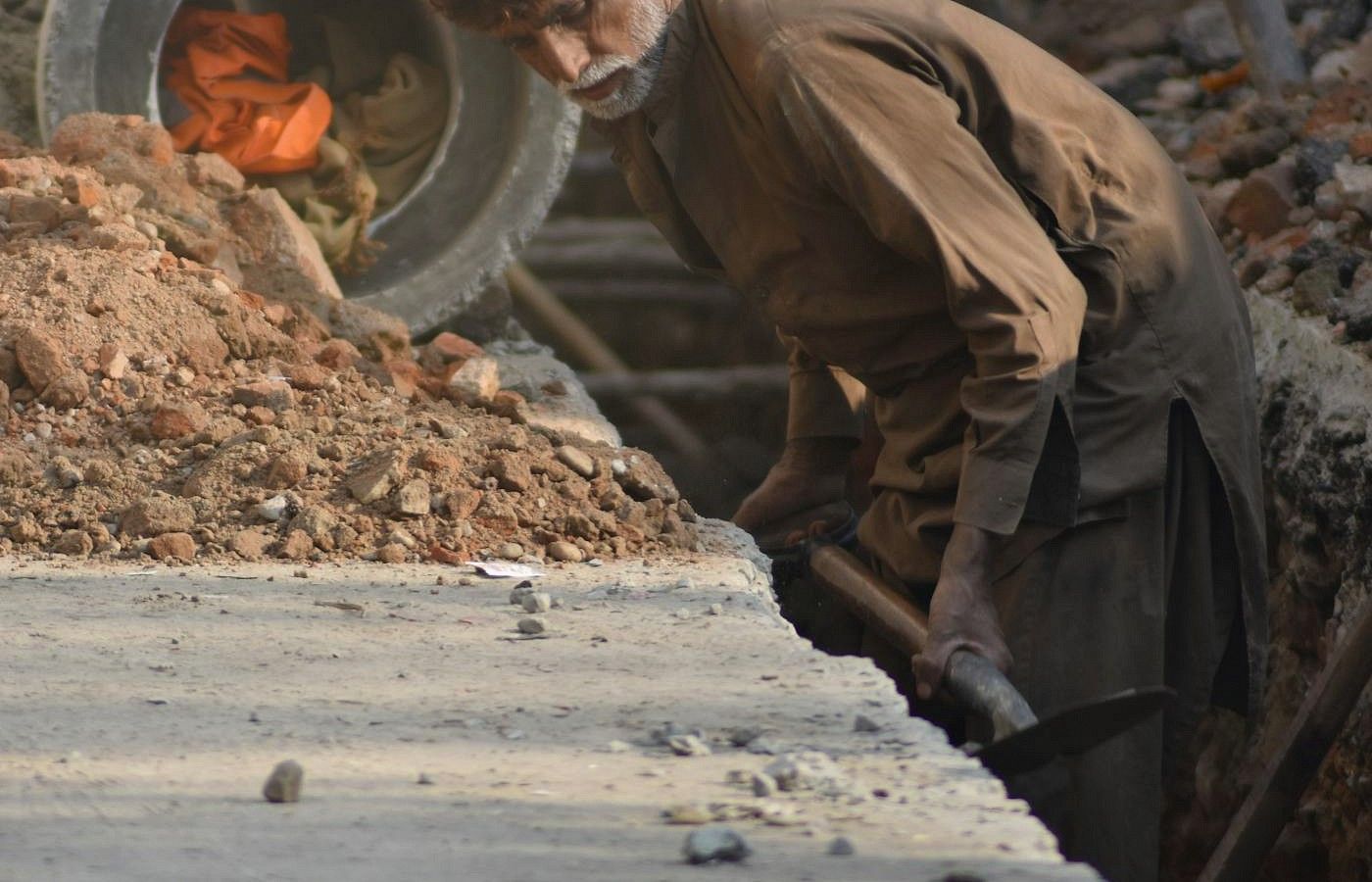
We confirm what is being dug, how deep and where it runs, then locate and mark any underground services along the line.
The run is pegged and marked, and we work out whether a machine can reach it or whether part of it needs to be hand dug.
Trenches are dug to the depth and fall required, post holes to the size the fixing calls for, with spoil kept clear of the opening.
Once the pipe, conduit or post is in, we backfill in compacted layers, reinstate the surface as closely as we can and clear away the excess spoil.
Trenching and post holes often tie into drainage, retaining or paving work we can quote at the same time.
Build from the ground up with site preparation, excavation, levels and drainage support for driveways, paving, asphalt and retaining wall projects.
View serviceStabilise slopes, create usable levels, reduce erosion and frame driveways or gardens with retaining walls designed around your site conditions.
View serviceSturdy, good-looking brick fences and boundary walls built to suit your home — from front boundary fences to private side and rear walls.
View serviceSend your project address, approximate area and preferred timeline. We will help you map out the next practical step.
Common questions about digging and trenching around Perth homes.
Yes. A handful of post holes, a short irrigation trench or a garden bed cut-in are all jobs we quote and schedule normally, without needing to be part of a larger project.
It depends on what is going in and what runs over the top. Stormwater lines need enough depth to hold a consistent fall to the discharge point, and electrical conduit has minimum cover requirements. We confirm the depth against the specific run before digging.
Yes. Where access is too tight for a mini excavator, or the dig is close to known services, we hand dig that section rather than forcing a machine into a spot it does not fit.
Not if the backfill is done properly. Loose sand tipped back into a trench will settle, so we backfill in layers and compact as we go, which is what keeps the surface level over time.
Yes - augered or dug to the diameter and depth your posts and footings require, set out along the line so the spacing is right before anything is concreted in.